Water Resistant Equipment List for Campers
There's nothing that ends an outdoor camping trip quicker than a soggy resting bag or a tent that leakages at 2 a.m. Rain doesn't respect your schedule, and neither does early morning dew, river spray, or the puddle you really did not see up until you actioned in it. Fortunately is that remaining dry in the backcountry isn't complicated. It just takes the appropriate gear, loaded and made use of properly. Below's a full review of what every camper ought to have before heading out.
Sanctuary: Your First Line of Protection
A Genuinely Water Resistant Camping Tent
Not all outdoors tents marketed as "climate immune" can really handle sustained rainfall. Try to find a hydrostatic head rating of a minimum of 1,500 mm for the rainfly and 3,000 mm or greater for the flooring, because that's where pooling water and ground moisture do one of the most damage. Joints should be factory-taped, and it's worth checking them for wear before every trip, given that seam tape breaks down in time.
An Impact or Ground Tarp
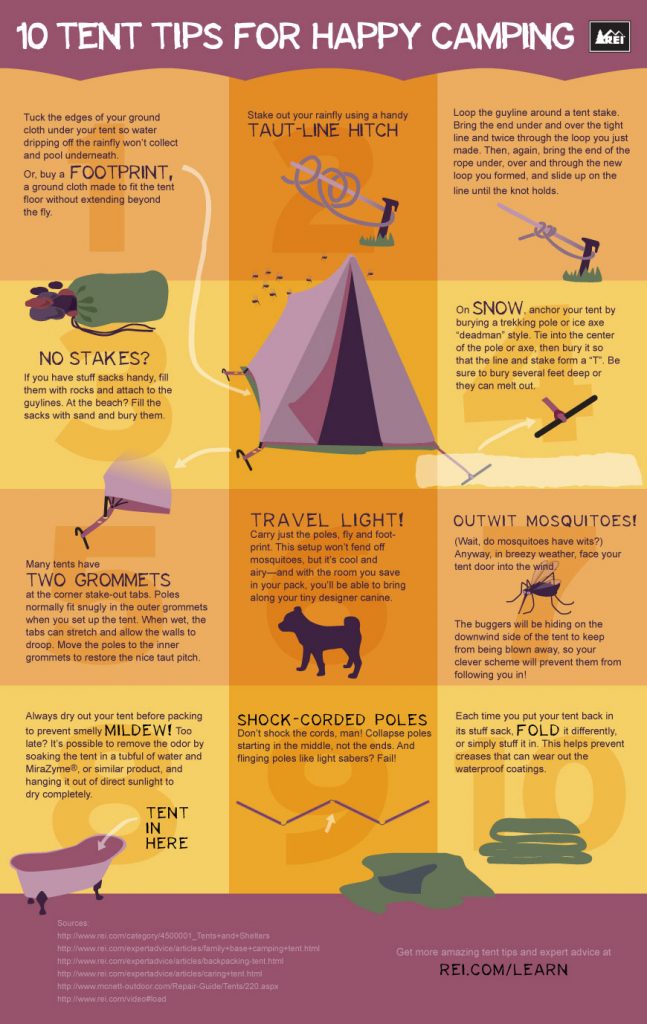
Positioning a footprint under your outdoor tents secures the floor from abrasion and adds an added moisture obstacle. Ensure the tarp does not extend beyond the tent's sides, or it will certainly accumulate rainwater and funnel it appropriate beneath you.
Guylines and a Proper Pitch
Also the very best tent stops working if it's pitched incorrectly. Tight guylines and a well-staked rainfly keep water from merging on the roofing or seeping in at stress factors. Practice pitching your outdoor tents in your home so you're not stumbling with it in a rainstorm.
Rest System: Remaining Dry Where It Matters Most
A Dry Bag for Your Resting Bag
A wet resting bag is miserable and, in cold conditions, truly hazardous. Shop your bag in a specialized dry sack, not just the stuff sack it featured, and compress it after the journey so it dries out completely prior to your next getaway.
A Water-proof or Synthetic-Fill Sleeping Bag
Down insulation is cozy and light, yet it loses nearly all its insulating power when wet. If you're camping someplace moist, take into consideration a synthetic-fill bag or one with hydrophobic-treated down, which stands up to moisture much much better than without treatment down.
A Resting Pad with a Water Resistant Shell
Shielded pads with secured, waterproof outsides maintain ground dampness from seeping through and include a layer of comfort in between you and tent 4 person a potentially moist tent flooring.
Clothes: The Layer In between You and the Elements
A Hardshell Rain Coat
Seek a jacket with a waterproof-breathable membrane and taped joints. Breathability matters as high as waterproofing, because a coat that catches sweat will leave you equally as wet as one that leakages.
Rainfall Pants
Usually neglected, rainfall trousers are important if you're treking to your campground or moving around in sustained rainfall. Choose a pair with unabridged side zippers so you can place them on over boots without removing them.
Water-proof Boots and Additional Socks
Damp feet lead to sores and, in winter, increase the danger of frostbite. Water-proof boots with a breathable membrane, paired with woollen or artificial socks, keep feet dry and control temperature level even if boots do get damp within.
Equipment Protection: Keeping Whatever Else Dry
Dry Bags for Your Load
A backpack rainfall cover aids, however it will not quit water from seeping in with zippers and joints. Load crucial products, like electronic devices, matches, and extra apparel, in individual dry bags as a backup.
A Waterproof Stuff Sack for Fire-Starting Supplies
Nothing is a lot more irritating than a wet lighter or soaked suits when you require heat most. Maintain a committed waterproof container for matches, a lighter, and fire starter, and consider packing a back-up ferro rod too.
A Tarp for Communal Areas
A big tarpaulin strung over your food preparation and celebration area provides you a completely dry room to prepare food and mingle, even in steady rain. It's a tiny addition that substantially enhances comfort on wet trips.
Last Ideas
Staying completely dry while camping isn't regarding getting the most expensive gear on the marketplace. It has to do with recognizing where water enters, whether with an outdoor tents joint, a coat zipper, or a pack that isn't fairly secured, and resolving each of those points intentionally. Construct your list around shelter, sleep system, garments, and gear defense, and you'll be ready to manage whatever the weather brings. A well-prepared camper does not just make it through the rain; they hardly observe it.